The Cost of a New Roof in Dublin: What Homeowners Need to Know
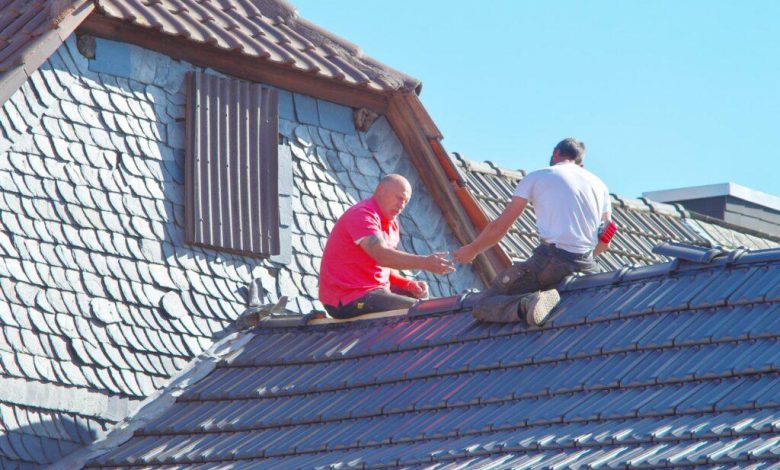
When it comes to maintaining or upgrading your home, a New Roof Installation Dublin is one of the most significant investments you can make. But before you dive into the process, it’s important to understand the factors that influence roof installation costs. Knowing what to expect in terms of budget, materials, and potential hidden expenses can help you make an informed decision and ensure that your investment is well-spent.
In this article, we’ll break down the cost of a new roof in Dublin, what you should factor into your budget, and tips to save money without sacrificing quality.
1. Understanding the Basic Cost Breakdown
The overall cost of a new roof depends on several variables, including the size of your property, the type of roofing material you choose, the condition of your existing roof (if it’s a replacement), and labour costs. In Dublin, homeowners typically spend between €7,000 and €20,000+ for a full roof replacement, depending on these factors.
Here’s a basic cost breakdown:
-
Materials (Tiles, slate, metal, felt, etc.)
-
Labour (Roofers, scaffolding, waste disposal)
-
Additional Costs (Insulation, structural repairs, planning permissions)
To better understand the breakdown, let’s look at these factors in detail.
2. Roofing Material Costs
The choice of roofing material is one of the most important decisions you’ll make. Different materials come with different price tags, and the material you choose will significantly impact your overall budget.
Popular Roofing Materials and Their Costs
-
Natural Slate Roofing
-
Cost per m²: €80–€100+
-
Pros: Extremely durable (100+ years), weather-resistant, elegant aesthetic
-
Cons: Expensive, heavy (requires a strong roof structure)
-
Ideal for: Heritage homes or those looking for a long-term investment.
-
-
Clay Tiles
-
Cost per m²: €50–€80
-
Pros: Classic look, durable, energy-efficient
-
Cons: Higher cost than concrete tiles, heavy
-
Ideal for: Period homes and conservation areas in Dublin.
-
-
Concrete Tiles
-
Cost per m²: €25–€50
-
Pros: Affordable, widely available, easy to install
-
Cons: Can fade over time, less premium compared to slate or clay
-
Ideal for: Budget-conscious homeowners or modern builds.
-
-
Metal Roofing
-
Cost per m²: €40–€80
-
Pros: Lightweight, durable, energy-efficient
-
Cons: Can be expensive for high-end options (zinc or copper)
-
Ideal for: Contemporary homes and eco-friendly builds.
-
-
Flat Roofing (EPDM, Fibreglass, Felt)
-
Cost per m²: €30–€60
-
Pros: Cost-effective, good for extensions and garages
-
Cons: Shorter lifespan compared to pitched roofs, requires regular maintenance
-
Ideal for: Extensions, garage conversions, and single-storey homes.
-
3. Labour and Installation Costs
In Dublin, roofing contractors typically charge €150–€250 per day depending on the complexity of the job and the roofing material. For an average-sized home, the total labour cost for a roof installation can range from €3,000 to €8,000 or more.
Factors that affect labour costs include:
-
Roof size and complexity: Larger or more intricate roofs (e.g., mansard or hipped roofs) will take longer to install and thus cost more.
-
Accessibility: Difficult-to-reach roofs may require more safety measures, scaffolding, and specialized equipment, increasing the labour cost.
-
Experience and reputation of the contractor: Highly experienced contractors may charge more, but they are more likely to provide quality work and avoid costly mistakes.
4. Additional Costs to Consider
Aside from the materials and labour, there are a few additional costs that can impact the final price of your new roof installation.
1. Scaffolding and Access Equipment
If your roof is more than one storey high or in a tight area, you will likely need scaffolding or a cherry picker to safely access the roof. This could add €500–€2,000 depending on the scope and duration of the project.
2. Waste Disposal
Removing the old roof and waste materials like tiles, insulation, and underlay can cost anywhere from €500 to €1,500. If your roofing contractor handles this, it should be included in the estimate. However, make sure to clarify this before the project begins.
3. Roof Insulation
If you are replacing an old roof or upgrading your home, adding or replacing roof insulation can significantly increase the energy efficiency of your home. Insulation costs vary depending on the type, but you can expect to pay €1,000 to €3,000 for high-quality attic or roof insulation.
4. Structural Repairs
Sometimes, your roof replacement may reveal underlying issues with your home’s structure. If timber supports are rotten, or there is significant damage to the roof deck, repairs will be necessary. These repairs can add an extra €1,000 to €5,000 to the overall cost, depending on the extent of the damage.
5. Planning Permission
In most cases, you won’t need planning permission for a roof replacement. However, if you’re making structural changes (e.g., changing the pitch, height, or adding dormers), you will need approval. Planning permission costs around €200 to €1,000 depending on the scope of your project.
5. How Long Does a New Roof Installation Dublin Take?
In Dublin, the timeline for a new roof installation can vary based on factors like weather conditions, roof size, and material. On average, you can expect:
-
Smaller homes: 5–7 days for a full roof replacement
-
Larger homes or more complex roofs: 7–14 days
Always discuss the project timeline with your contractor to ensure the schedule aligns with your expectations and plans.
6. How to Save Money on a New Roof Installation
While a new roof is a significant investment, there are ways to save money without compromising on quality:
-
Get multiple quotes: Obtain at least 2–3 quotes from reputable roofing contractors to ensure you’re getting a fair price.
-
Choose a cost-effective material: Opt for concrete tiles or metal roofing if you’re on a budget, as these offer durability and efficiency at a lower price.
-
Plan ahead: Roofing jobs can be affected by weather delays. Schedule your roof installation for late spring or summer when the weather is more predictable.
-
Consider a partial replacement: If only part of your roof is damaged, discuss the possibility of a partial replacement instead of a full overhaul.
Final Thoughts
The cost of a new roof in Dublin can vary widely depending on your home’s needs, the materials chosen, and the contractor you hire. However, by understanding the factors at play—materials, labour, additional costs, and savings strategies—you can better manage your budget and make an informed decision.
A new roof not only enhances the appearance of your home but also improves safety, energy efficiency, and long-term value. Whether you’re replacing an old roof or building a new home, make sure to invest in quality materials and skilled contractors to ensure a durable and lasting result.